4J Meats
Lawton, Oklahoma
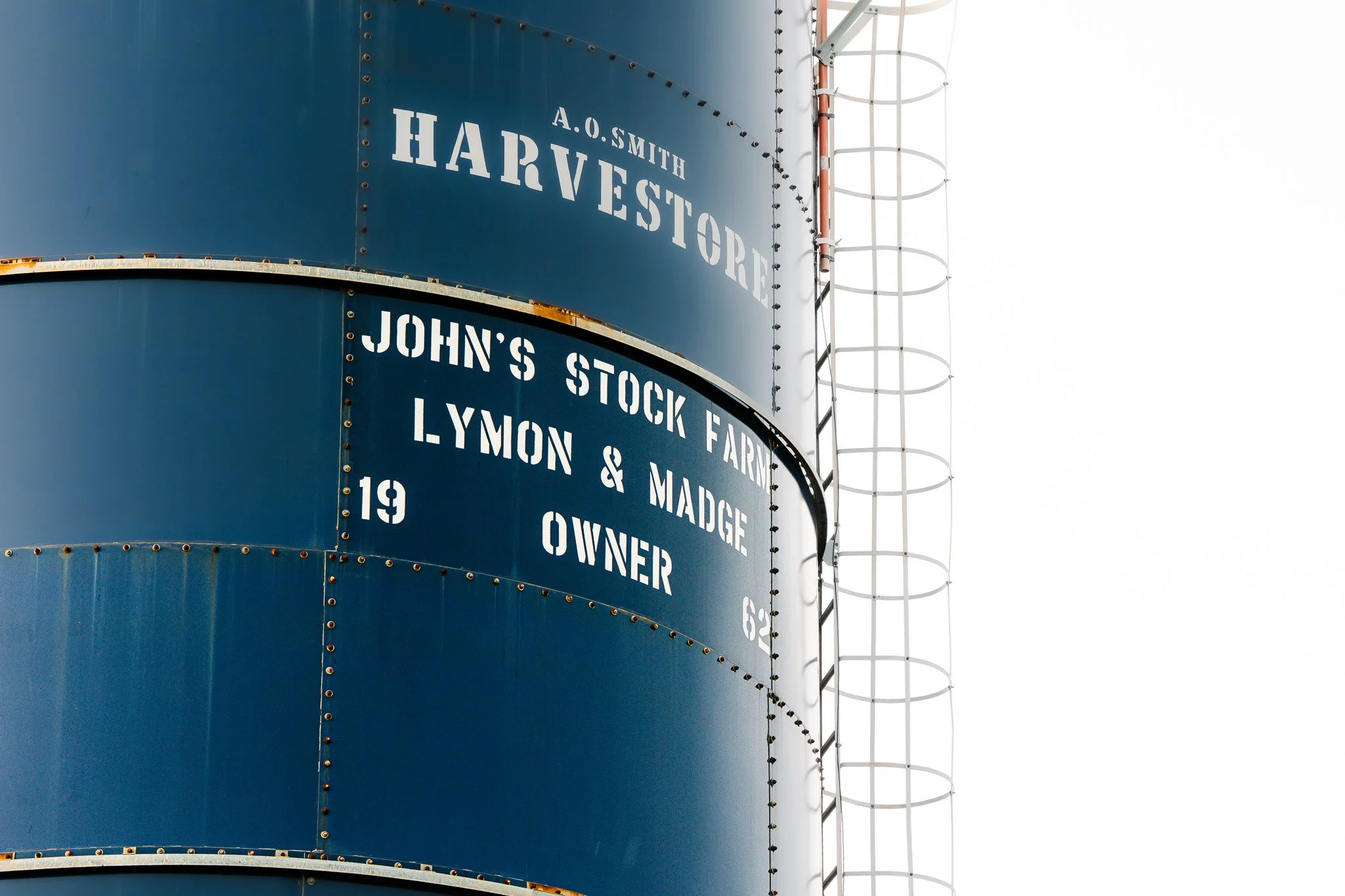
When I pulled onto the property, the first thing I noticed was just how open everything felt.
Wide open plains. Greenery everywhere you looked. A herd of cows peacefully grazing near the house with the Wichita Mountains sitting quietly off in the distance.
The whole place felt calm in a way that’s hard to explain unless you’ve been somewhere like it before.
And honestly, you could tell pretty quickly this wasn’t something they did halfway.
The land has carried the family name since the days of the Oklahoma Land Run. After relocating from Missouri in the 1920s, the family put down roots here, and five generations later, they are still working the same ground. Their children will carry on as the sixth generation.
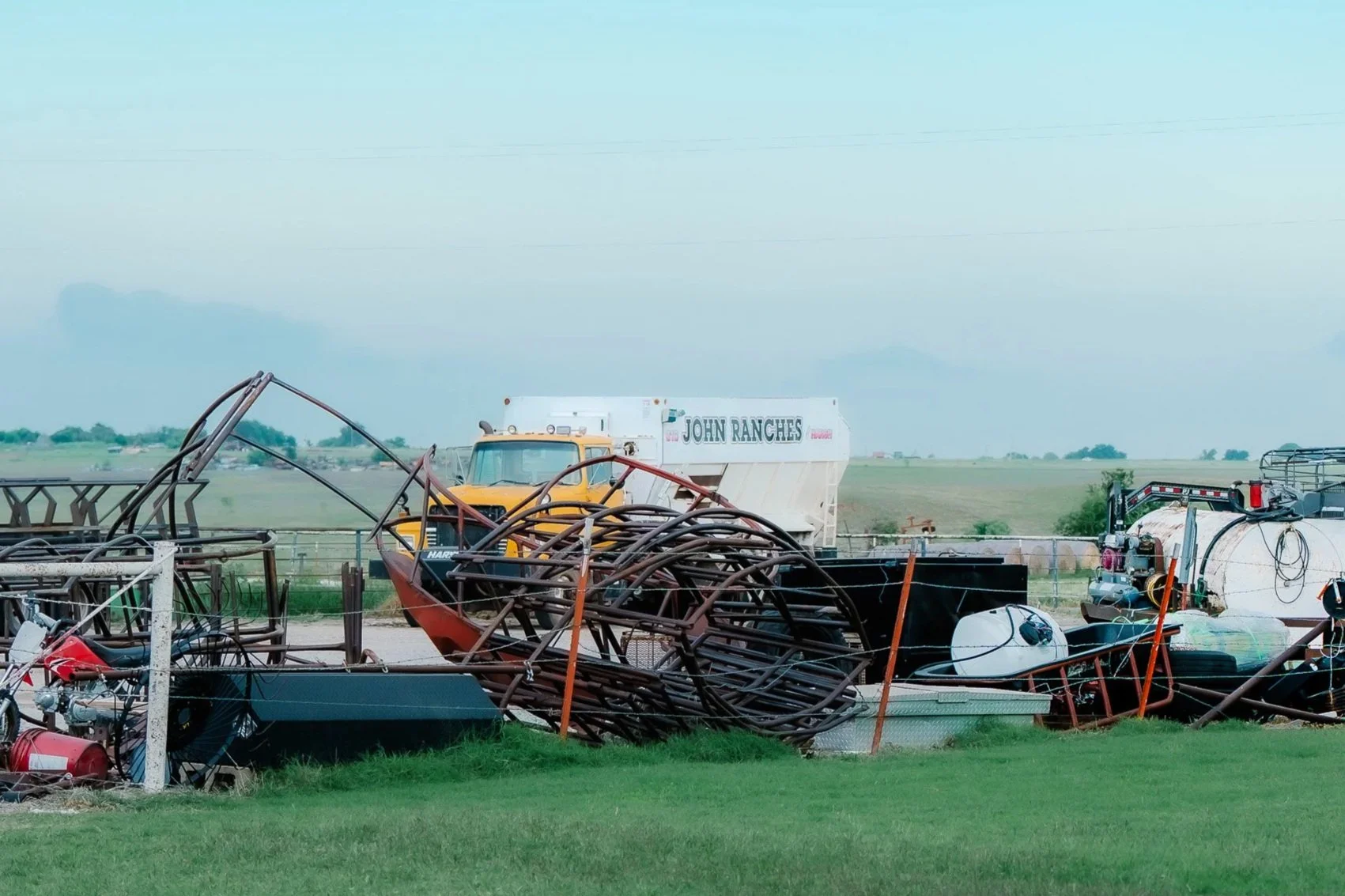
Three generations currently live and work on the property together.
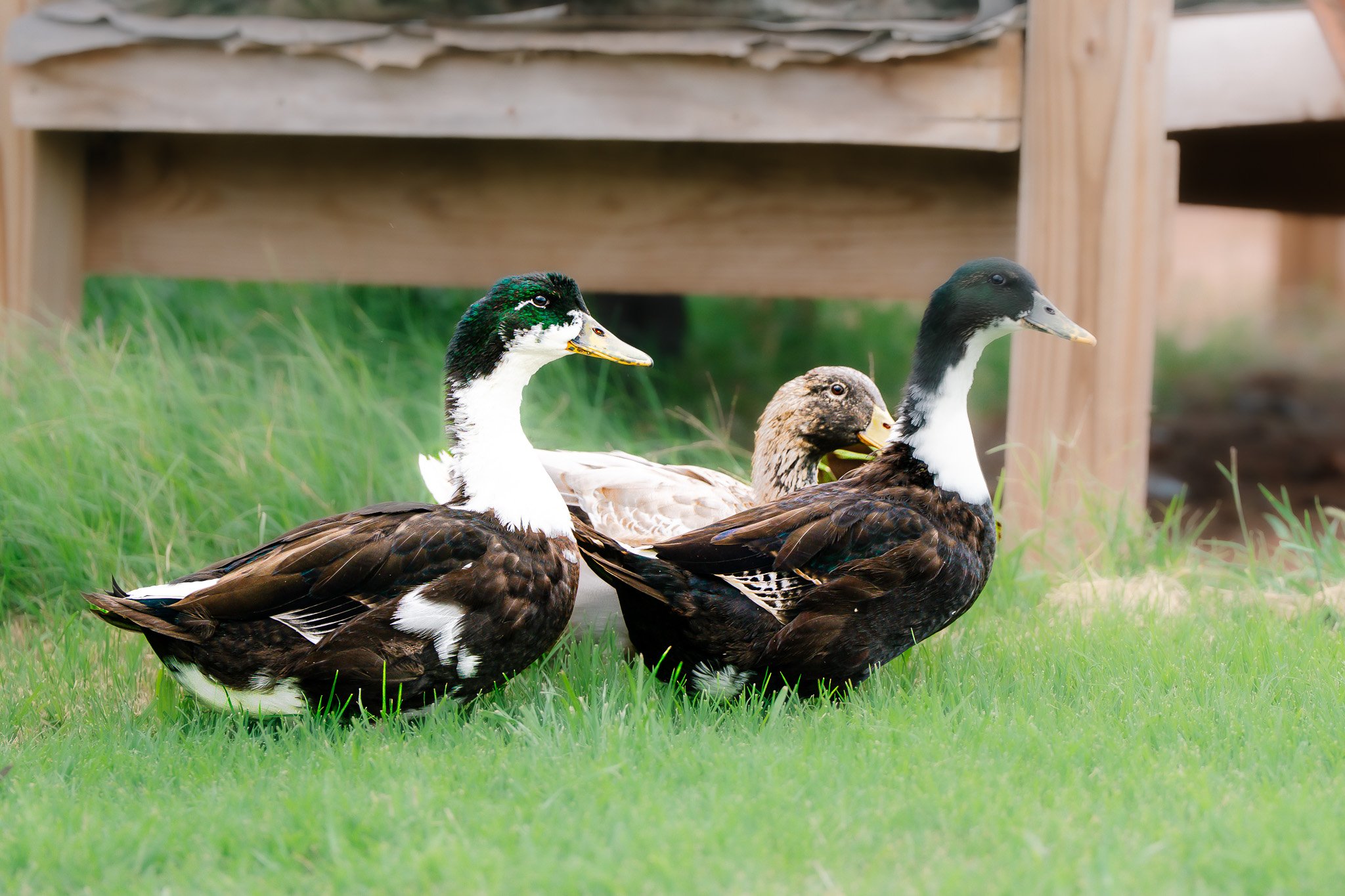
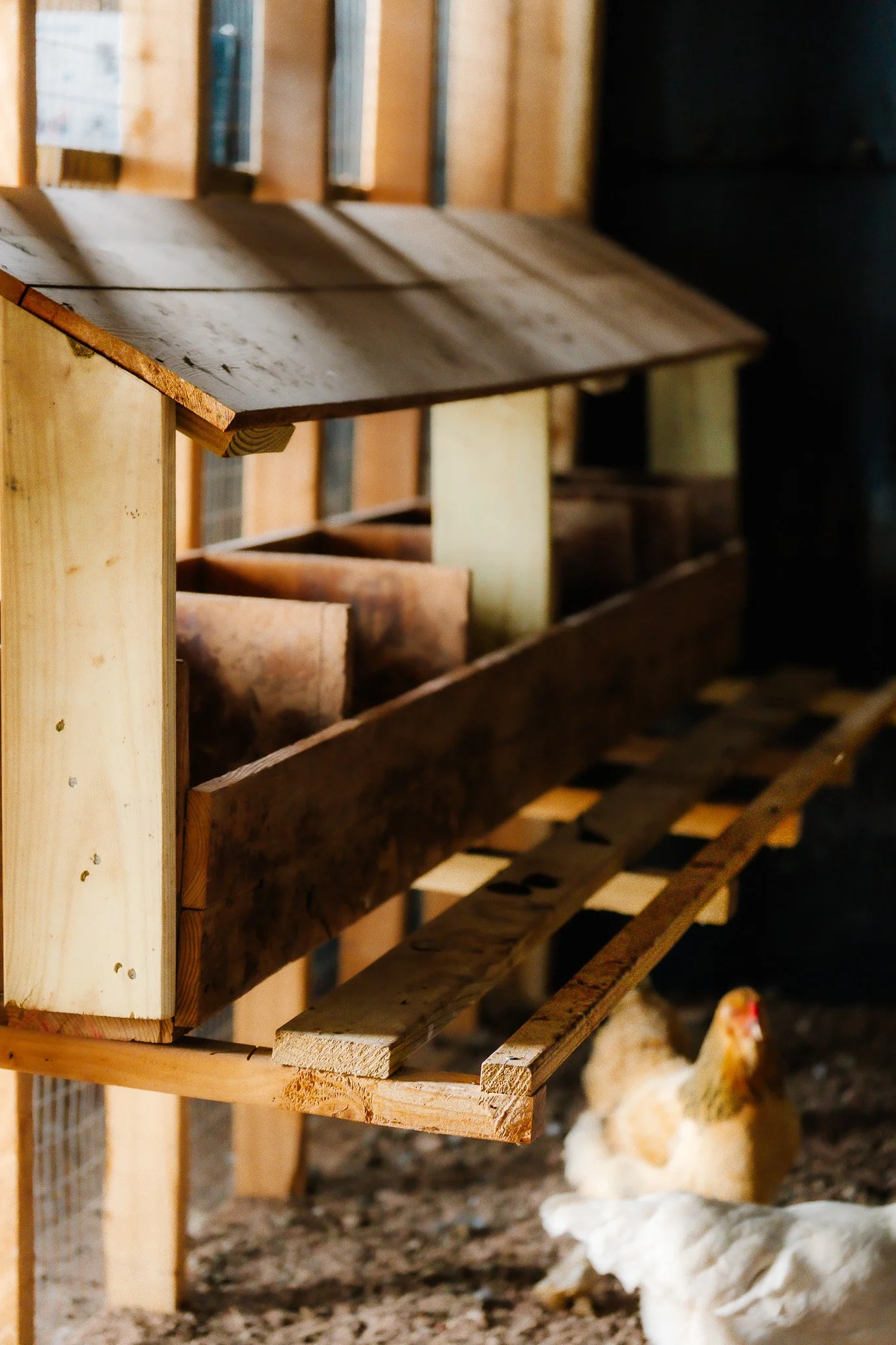
Pieces of their history still exist everywhere you look. One of the original silos has been converted into a chicken coop, complete with nesting boxes from one of the original coops where hens were laying eggs while we talked. The family’s main house itself was converted from the original milking barn that once served the dairy operation years ago.
Not preserved behind glass, but still actively being lived in and used every single day.
Today, 4J Meats raises Angus cattle, Idaho pasture pigs, kosher king chickens, and broad breasted white turkeys, all with a focus on raising quality food for Oklahoma families.
The farm officially started in 2023 after Katelyn and her husband returned to Oklahoma following his four years of service in the United States Army.
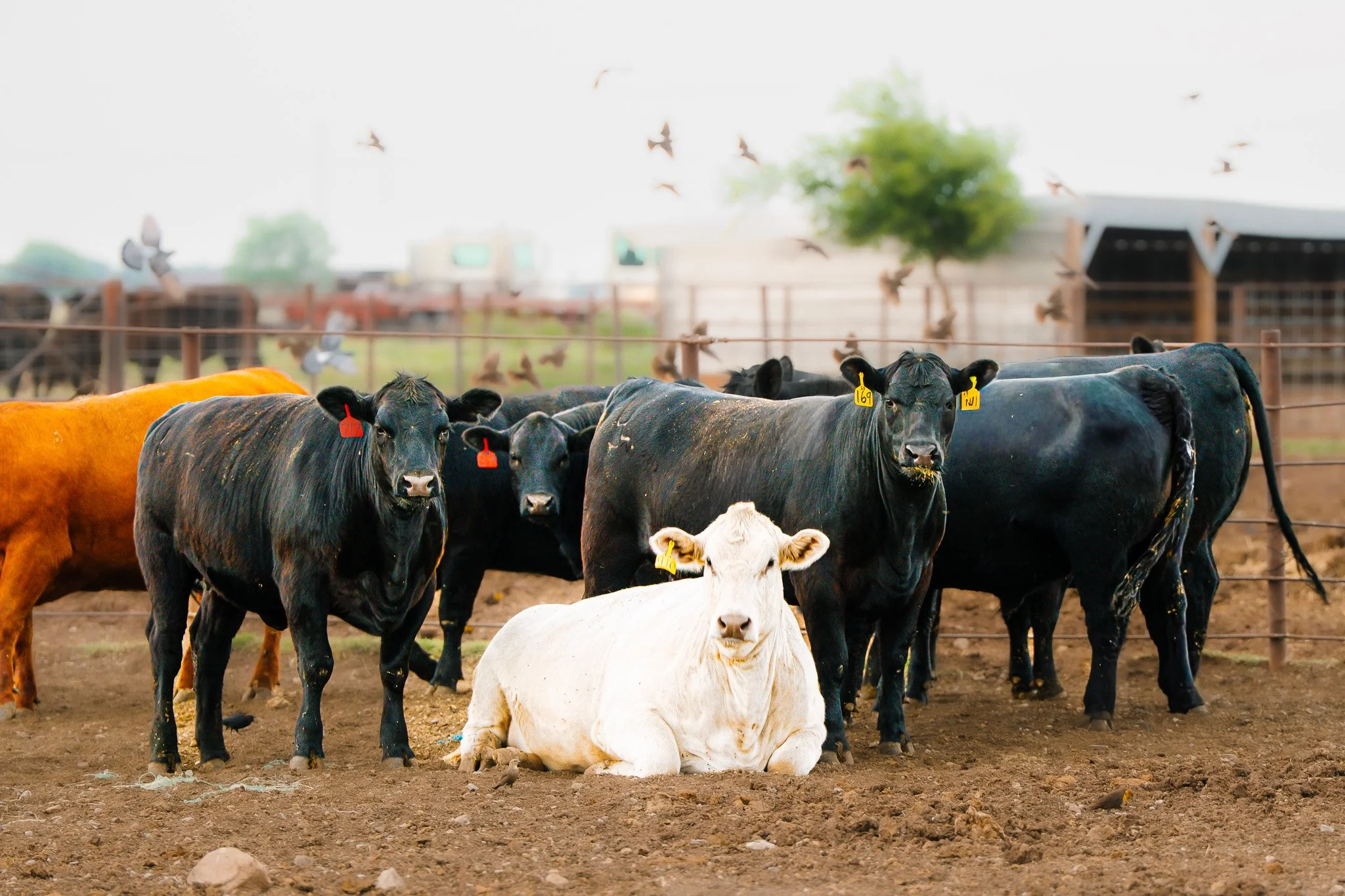
Before moving away, they had only sold meat to close friends and family.
But things quickly grew from there.
When Katelyn first contacted the local farmers market, she was told they were already full. Another family stepped in and advocated for them, encouraging the market manager to reconsider.
Eventually Katelyn got a call back.
“So you want to sell meat?”
That first year, they were offered a Tuesday evening spot.
Now, they’re there on Saturdays as well, where customers recognize their little red trailer parked at the market each weekend.
Maybe one of my favorite stories from the entire interview was how the farm got its name.
Katelyn’s father-in-law called one day and said if they were going to get the business rolling, they needed to come up with a name.
“He said, ‘You’re gonna name the business 3J.’” She asked him what that meant. The three J’s stood for him and his two sons.
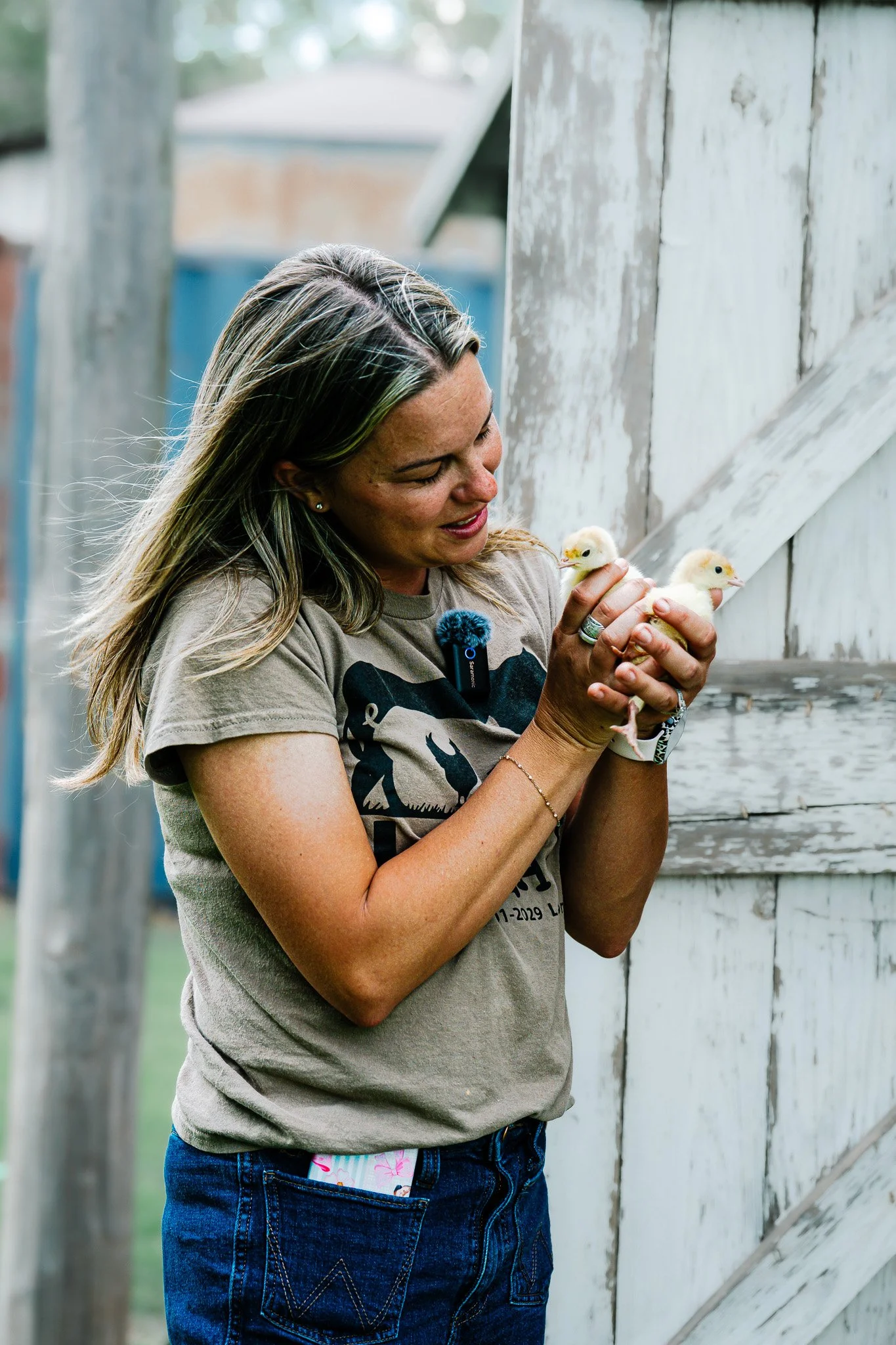
At first she accepted it, but after thinking about who was actually going to be handling a large portion of the work, she called him back.
“No sir,” she laughed. “If I’m gonna be doing all this work, I want some recognition too.”
And just like that, 4J Meats was born.
Recently, the family received a grant and soon their vision will expand through the opening of the 4J Meats Harvest Store. More than just a farm store, it will serve as a certified Farm Hub where customers can purchase not only products raised on the farm itself, but products from other local Oklahoma vendors as well. The store will feature locally raised meats, fresh produce, baked goods, hand milled flour, artisan and handcrafted goods, canned goods, locally grown flowers, and seasonal produce sourced from Oklahoma producers.
Located directly on the family farm just one mile west of the local dairy farm, visitors will be able to experience more than just shopping. They’ll be able to see parts of the operation in motion and reconnect with where their food actually comes from while supporting local agriculture at the same time.
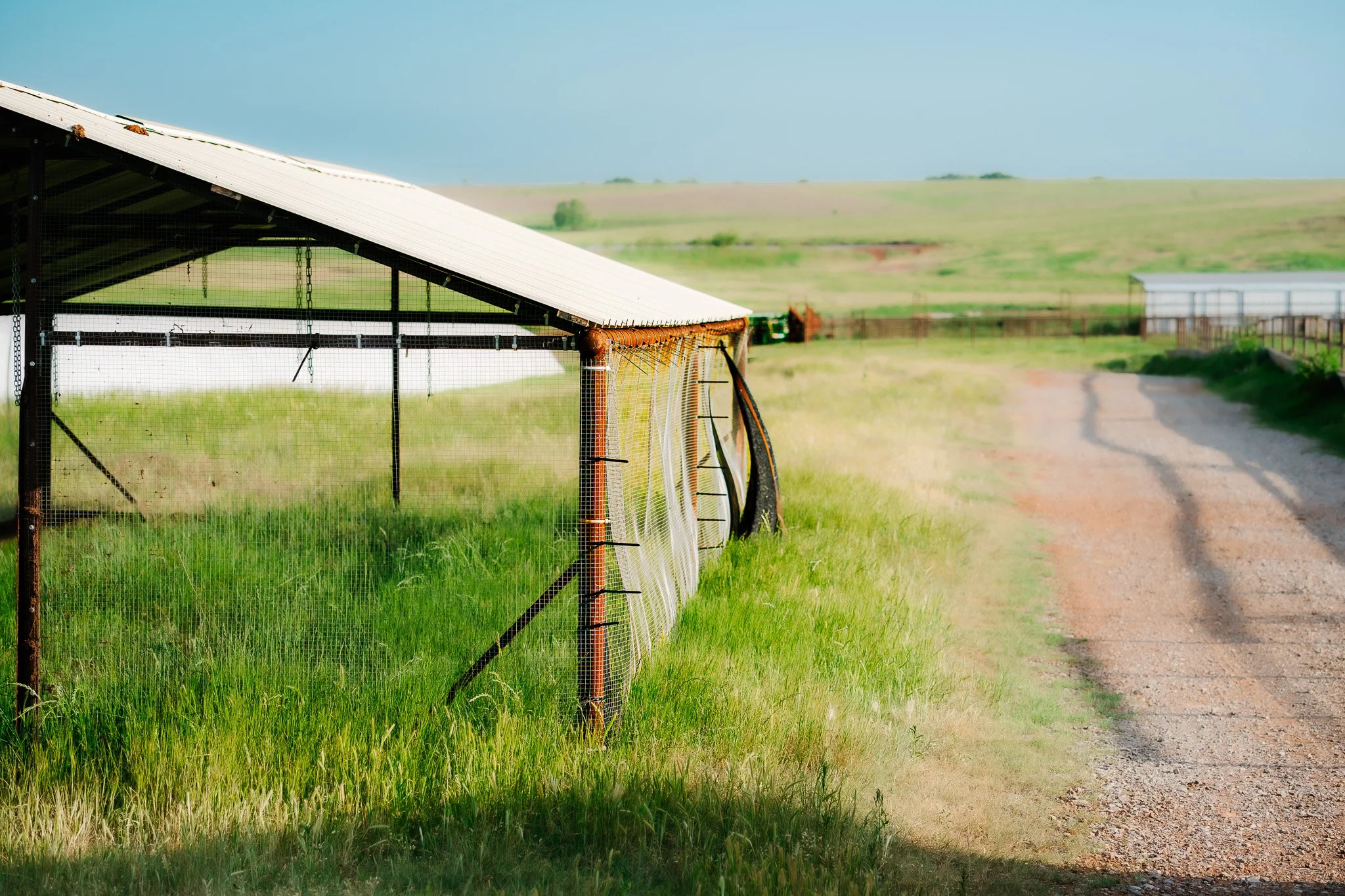
Even in just the short time since my visit, the farm has already continued evolving. Gardens have been refreshed, grounds reshaped, and the chicken tractors moved down alongside the birds. It’s a reminder that farms are never truly standing still. They grow and adapt constantly alongside the people caring for them.
But like most things in agriculture, it hasn’t been as simple as it sounds.
Katelyn admitted the grant money doesn’t stretch nearly as far as people would think it would, and while they hoped being located in the county would make things easier, it really hasn’t.
Still, they’re making do with what they have and continuing to slowly build toward the vision they have for the property.
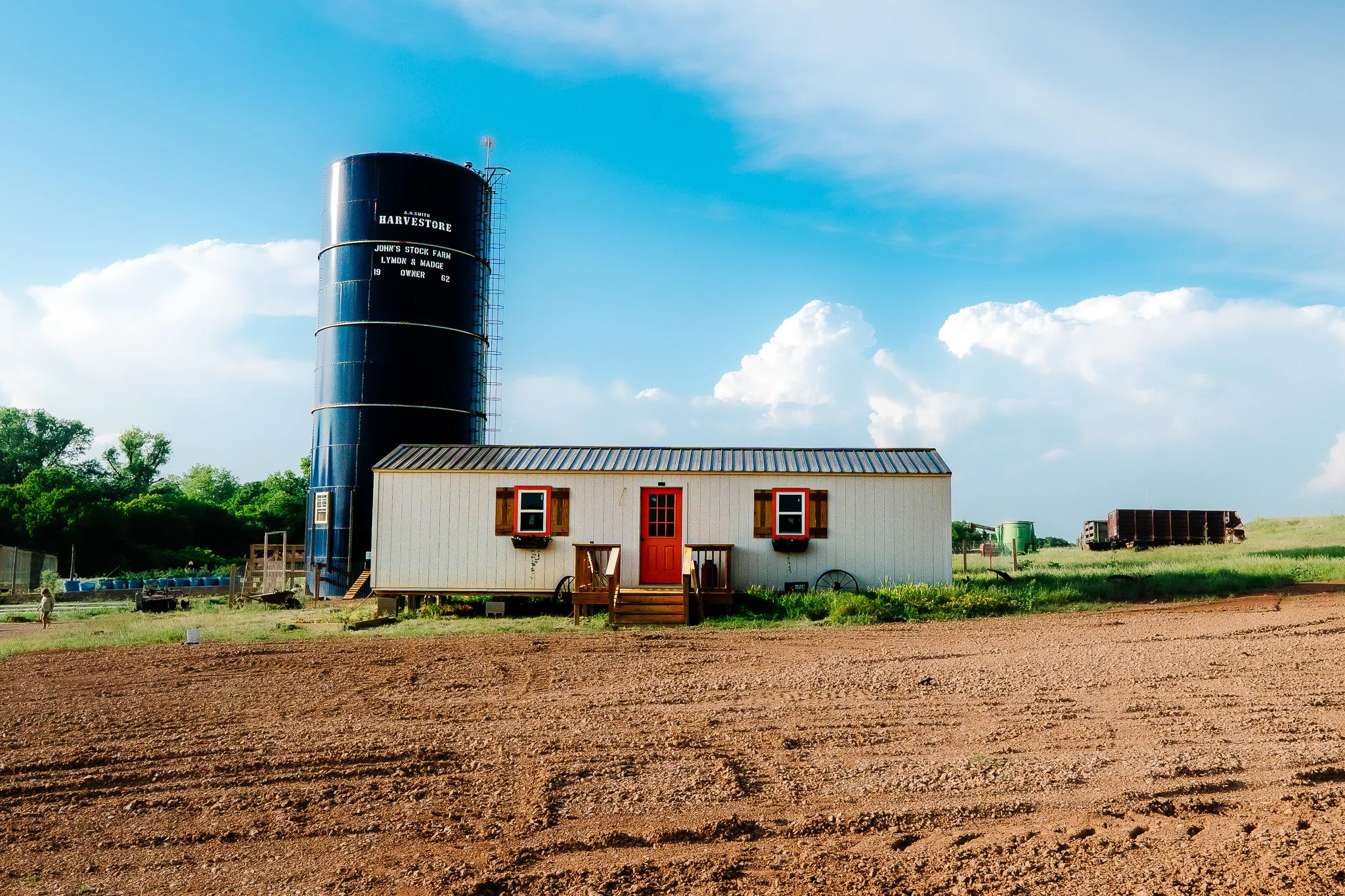
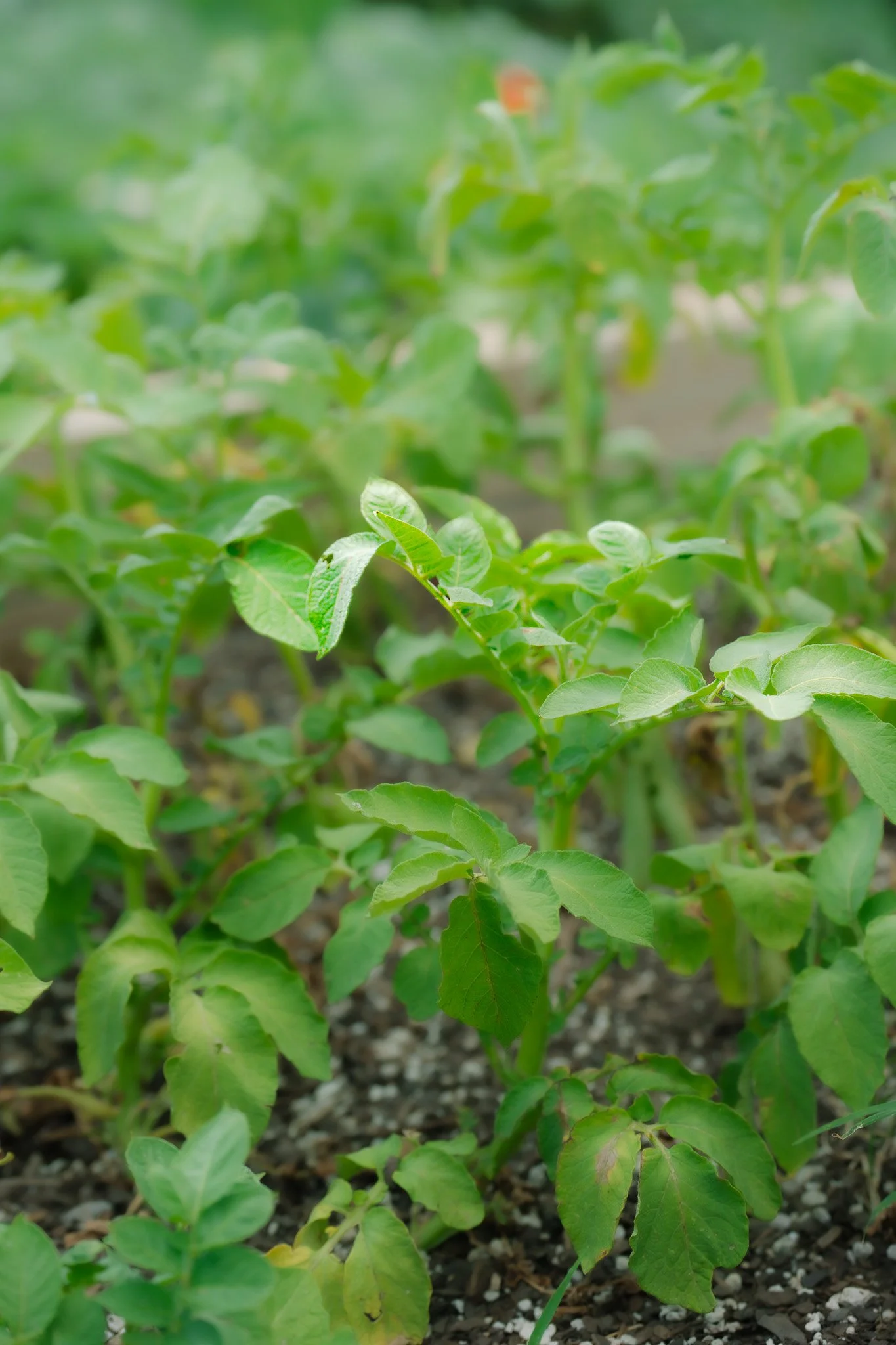
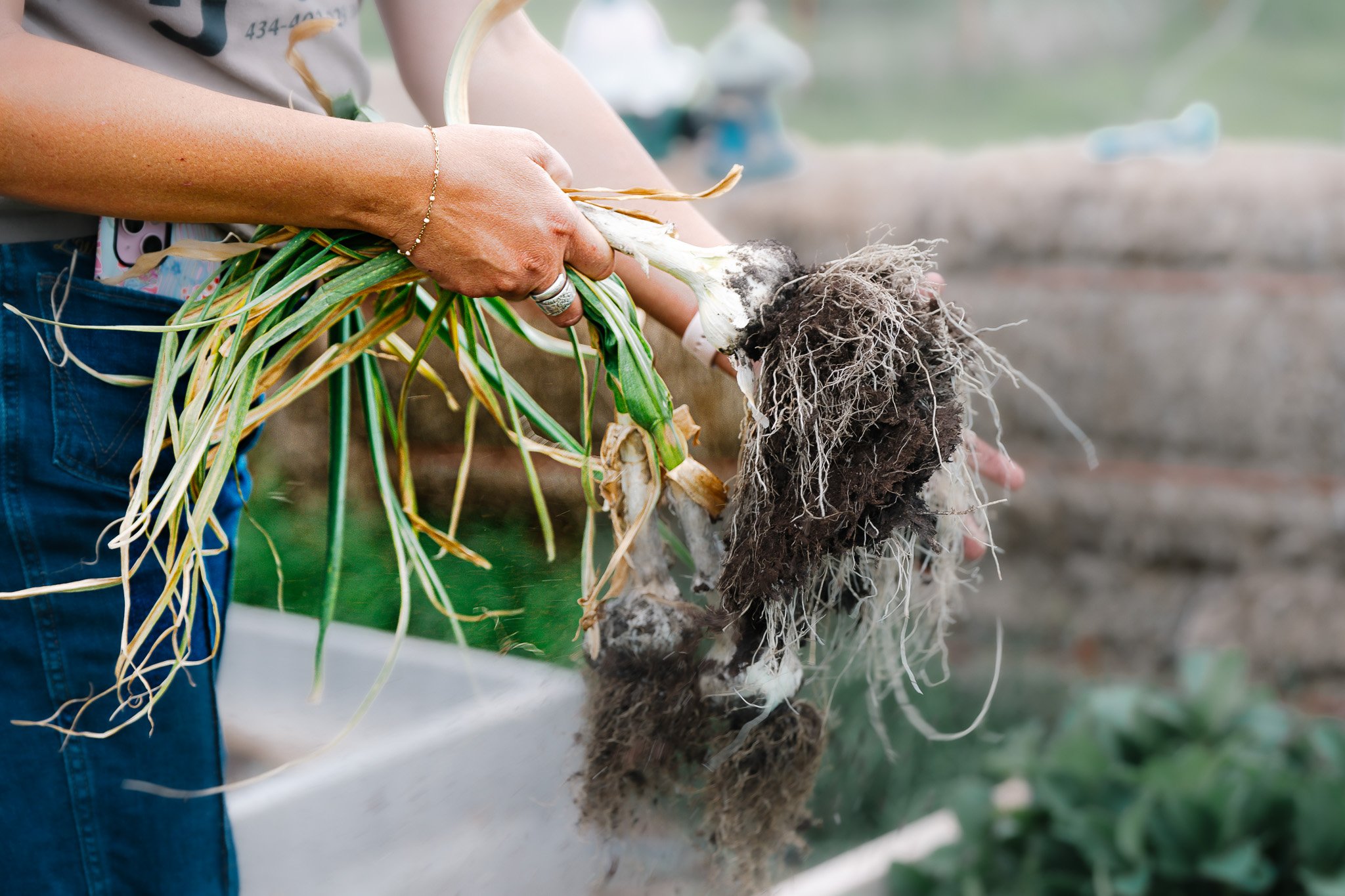
They recently started a small u-pick garden they hope to expand someday. Katelyn talked about possibly offering garden plot rentals so local families could grow their own food even if they didn’t have land themselves.
Katelyn also hopes to eventually create jobs locally through the farm store and maybe even open a couple of Airbnbs near the property so families visiting Fort Sill have somewhere close to stay.
Self-sustainability classes are also high on her list.
Whether it’s teaching people how to be better stewards of the land, health and nutrition, wellness classes, or simply helping reconnect people to where food comes from, serving people remains at the center of what Katelyn wants to build.
That part honestly makes sense when you talk to her for very long.
Katelyn told me her favorite part of farming is the compliments and praise from customers because, deep down, she genuinely likes serving people. It’s part of why she became a nurse in the first place.
Going full-time with the farm is the long-term goal, but Katelyn admitted she’ll miss nursing because she truly enjoys helping others.
But all of that takes time.
And money.
And farming never really stops long enough to catch your breath.
“With the seasons you think, oh you know… maybe a little bit earlier, or later,” Katelyn told me. “But it never ends. It literally never ends.”
Katelyn said she wishes more people understood that part of agriculture.
“Oh you have a snowstorm, or an ice storm? But that’s more work. You’re breaking waters, you’re breaking ponds, you’re rescuing animals. If you have calves you’re trying to get them sheltered. You’re hauling trailers and everything for windbreaks, especially out here because you have nothing to break the wind.”
And weather impacts everything.
During rainy seasons, crops get delayed because fields are too wet to work in. Equipment gets stuck. Schedules get pushed back.
Too little rain creates an entirely different set of problems.
At one point, the family lost an entire wheat crop to drought and waited over two years for insurance compensation while bills still had to be paid and another season still had to be planted.
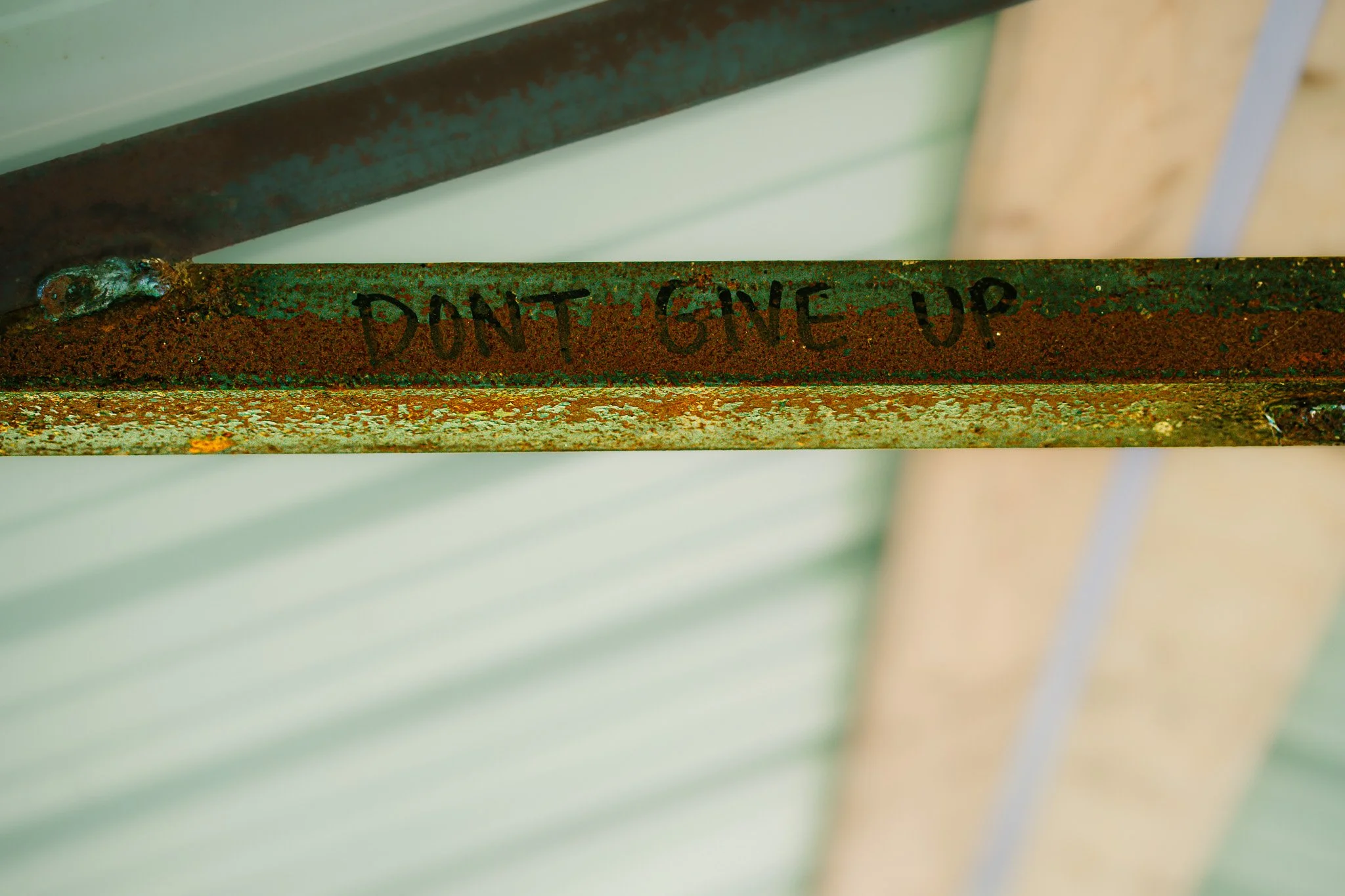
Even through all of it, they keep going.
And standing out there watching cattle graze against the backdrop of the Wichita Mountains, it’s hard not to understand why.